Detailing: Effortless Maintenance Saves You Money
Detailing your car might seem like a luxury, an unnecessary expense reserved for car enthusiasts and show cars. However, shifting your perspective to view detailing as a form of preventative maintenance unveils a powerful strategy for saving money in the long run. It’s not just about aesthetics; it’s about preserving the vehicle’s value, preventing costly repairs, and ensuring a safer and more enjoyable driving experience.
The Long-Term Benefits of Regular Detailing
Think of your car as an investment. Like any valuable asset, it requires care and attention to maintain its worth. Neglecting essential maintenance tasks, whether mechanical or cosmetic, leads to depreciation and a higher likelihood of expensive problems down the road. Detailing addresses the cosmetic aspect, but its benefits extend far beyond just a sparkling exterior.
One of the most significant advantages is preventing rust and corrosion. Road salt, grime, and pollutants can wreak havoc on your car’s paint and undercarriage, leading to rust formation. Rust weakens the structural integrity of your vehicle and can be incredibly costly to repair. Regular detailing, including thorough washing, waxing, and undercarriage cleaning, removes these harmful substances, protecting your car from the damaging effects of corrosion.
Furthermore, detailing protects your paint from the sun’s harmful UV rays. Exposure to UV radiation can cause the paint to fade, crack, and peel, diminishing its appearance and value. Applying a quality wax or sealant during the detailing process creates a protective barrier, shielding your paint from the sun’s damaging effects and keeping it looking vibrant for longer.
Effortless Maintenance Through Detailing
The key to reaping the financial rewards of detailing lies in incorporating it into your regular maintenance routine. It’s not a one-time fix; it’s an ongoing process of care and preservation. By consistently keeping your car clean and protected, you’ll minimize the build-up of dirt, grime, and contaminants that can lead to damage.
Think of it this way: a small scratch left unattended can quickly turn into a major rust spot. Regularly washing and inspecting your car during detailing allows you to identify and address minor imperfections before they escalate into costly repairs. A simple touch-up paint application to a small scratch is far cheaper than a full panel replacement due to rust.
What “Detailing” Really Entails
Detailing encompasses a range of services aimed at thoroughly cleaning, restoring, and protecting your vehicle. While specific packages vary, the core components typically include:
Exterior Wash and Dry: This involves a thorough cleaning to remove dirt, grime, and road salt. Using high-quality car-specific soaps and proper washing techniques is crucial to avoid scratching the paint.
Wheel and Tire Cleaning: Wheels and tires are often overlooked but accumulate brake dust and road grime. Detailing includes cleaning and protecting these surfaces to prevent corrosion and maintain their appearance.
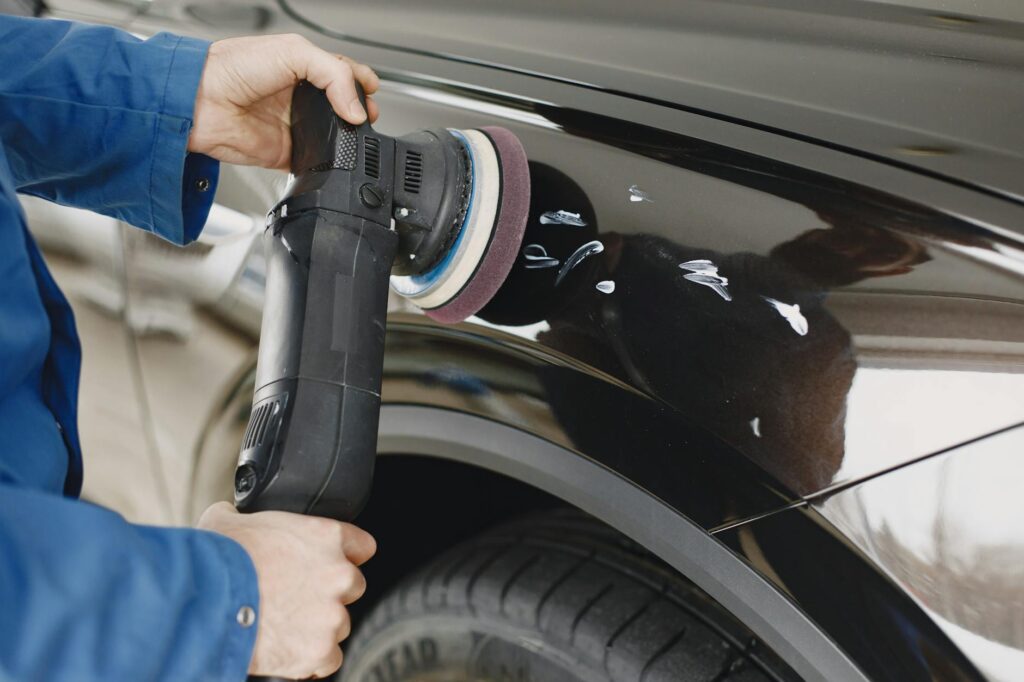
Paint Correction (Polishing): This process removes minor scratches, swirl marks, and imperfections in the paint, restoring its shine and clarity. It requires specialized tools and techniques and is best left to professionals.
Waxing or Sealing: Applying a wax or sealant creates a protective layer that shields the paint from the elements, including UV rays, acid rain, and road contaminants.
Interior Cleaning: This includes vacuuming, cleaning upholstery, and wiping down surfaces to remove dirt, spills, and stains.
Interior Protection: Applying protectants to vinyl, leather, and plastic surfaces helps prevent fading, cracking, and discoloration.
DIY Detailing vs. Professional Services
While some detailing tasks can be performed DIY, others require specialized equipment and expertise. Washing and waxing your car at home can be a cost-effective way to maintain its appearance, but more complex tasks like paint correction and interior stain removal might be best left to professionals.
Consider your own skills, time constraints, and available resources when deciding whether to DIY or hire a professional detailer. If you’re unsure about a particular task, it’s always best to err on the side of caution and seek professional help to avoid causing damage to your car.
The Financial Payoff: Resale Value and Reduced Repair Costs
The financial benefits of regular detailing are twofold: increased resale value and reduced repair costs. A well-maintained car commands a higher price on the used car market than one that has been neglected. Detailers can tackle issues that significantly alter the perceived value of the car but can be remedied at a far lower price than a potential discount. Potential buyers are more willing to pay top dollar for a vehicle that looks clean, well-cared for and loved, both inside and out.
Furthermore, as we’ve discussed, detailing prevents costly repairs by protecting your car from rust, corrosion, and other forms of damage. By proactively addressing minor issues and maintaining a clean environment, you’ll minimize the likelihood of major repairs down the road, saving you a significant amount of money in the long run.
In conclusion, detailing is not just about making your car look good; it’s about investing in its long-term health and value. By incorporating detailing into your regular maintenance routine, you can save money on repairs, increase your car’s resale value, and enjoy a safer and more enjoyable driving experience. So, ditch the misconception that detailing is a frivolous expense and embrace it as a smart financial decision that pays dividends for years to come.